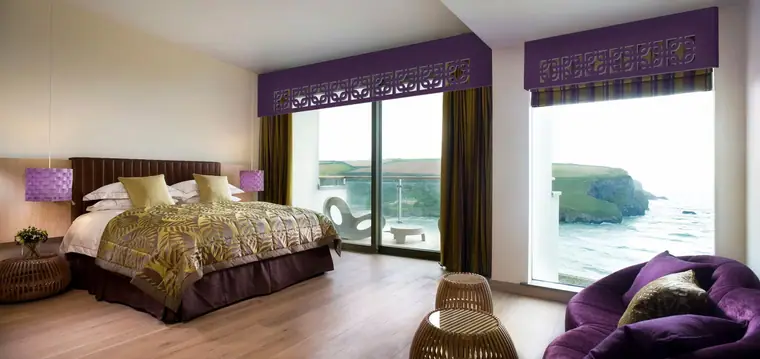
Window Pelmets: Check Curtain-Track Space Before Choosing the Pattern
A decorative pelmet must leave room for the curtain hardware behind it. The pattern is the visible choice; the space inside the pelmet determines whether the track and curtain heading fit.
Before selecting from the Heritage window pelmet range, settle the curtain arrangement with your curtain supplier or installer. A window’s glass width alone does not describe the pelmet you need.
There are several different widths to consider
Record the window and architrave width, the length of the curtain track and the overall coverage you want from the pelmet. Curtains may stack beyond the glass when open, so a pelmet ending at the window frame can expose hardware or crowd the heading.
Keep the measurement labels explicit. Write “overall finished pelmet width” when that is the dimension you mean, and identify any opening or wall measurement used to work it out. Where the wall or ceiling is uneven, show that in a photograph for the installer.
What 150mm or 200mm hanging space means
Heritage lists 150mm or 200mm internal hanging space. This is the clear depth behind the front board, where the track and curtain heading sit. It is separate from the decorative board’s height.
Check the projection of the actual brackets and the space occupied by the heading and stacked fabric. A double track or fuller heading may need more room, but the curtain style name does not determine the answer by itself. Have the supplier confirm that the chosen space works with the hardware.
Select board height after checking the room
The A and C ranges are listed at 270mm high, B at 400mm and G at 440mm. These heights describe the decorative frontage, not the internal hanging depth. Compare the height against the ceiling, window head and the amount of glazing you want to leave visible.
A simple paper strip at the proposed board height can help you assess the visual effect from across the room. It cannot confirm the hidden track clearance, so keep the appearance check separate from the hardware check.
Include both returns in the drawing
Returns are the short ends that turn back towards the wall. Show the left and right return requirements, especially where one side meets a wall, cupboard or projecting architrave. A photograph of the window head and both sides helps reveal those constraints.
Do not infer the finished return dimensions solely from the hanging-space choice. Ask the workshop to confirm how the selected construction and internal clearance translate into the finished outside dimensions.
Keep pattern and product codes together
Some decorative families appear across pelmets, frieze work and privacy screens. The suffix identifies the product: a WP pelmet is not the same item as an FW frieze or PS screen, even when the pattern number matches.
Use the pattern-family guide if you want to repeat a detail across a house. Specify the pelmet code and the required proportions rather than ordering an exterior panel for an interior curtain application.
What to send for a pelmet quote
- Selected WP pattern and range height.
- Overall coverage width, clearly distinguished from window width.
- Track arrangement, bracket projection and curtain-heading information.
- Required internal hanging space and both return details.
- Photographs, quantity, finishing requirements and delivery postcode.
Pelmets are interior joinery. An external window canopy serves a different purpose, and the external treated-pine guarantee should not be assumed to cover an interior pelmet. Confirm material and finish in the written quote before ordering.