How to Match an Old Timber Moulding Profile
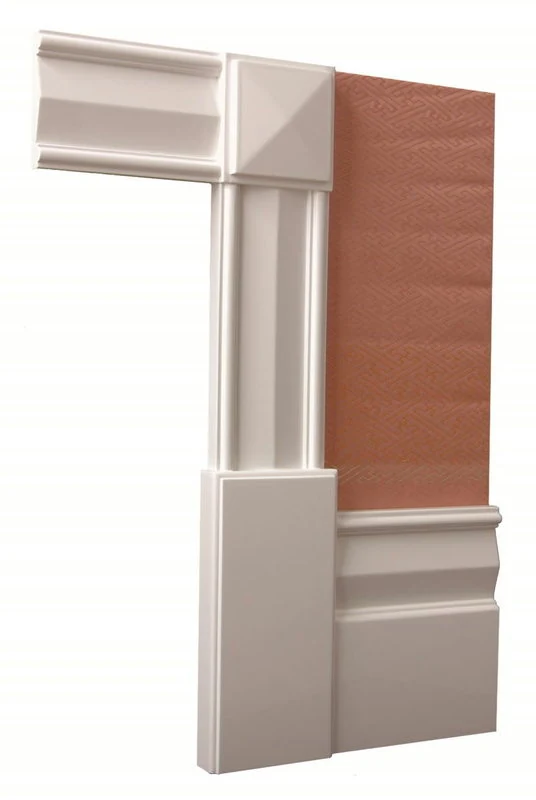
Quick answer
The most reliable profile match comes from a clean cross-section sample. If that is unavailable, send a tracing, dimensioned drawing or square-on photograph with a tape measure showing the full width, depth and every step in the moulding.
Old timber mouldings can often be reproduced even when their original name and product code are unknown. A useful matching request can begin with a physical sample, a dimensioned drawing or a clear photograph taken beside a tape measure.
A physical sample gives the clearest profile
A clean cross-section shows the exact sequence of flats, rounds, hollows and steps in a moulding. If a loose offcut is available, send enough of it to show the complete face and thickness. Mark which surface faced the wall and which edge was at the top.
Do not remove protected original fabric without appropriate approval. A sample from a damaged replacement, stored offcut or concealed later alteration may provide the same information.
Use a tracing when the piece cannot be removed
Hold stiff card against the end of the moulding and trace the outline with a fine pencil. Check that the card is square to the length; an angled tracing makes the profile appear wider. Add the overall width and thickness in millimetres and photograph the tracing beside the original.
Photographs need scale and context
Take one photograph straight at the profile with a tape measure in the same plane. Then take a wider photograph showing where it belongs: skirting, architrave, handrail, cornice, weatherboard, post moulding or another component. Perspective can distort curves, so provide measurements rather than asking the photograph to carry all the information.
Specify material, quantity and finish
The same profile may be produced in MDF for painted interior work, pine, or a nominated hardwood. State the total quantity, required lengths and whether the finished work will be painted or stained. If only one short repair is needed, say so; if a whole room or elevation is being replaced, provide a measured schedule.
Matching request checklist
- Sample, tracing, drawing or scaled photograph
- Overall width and finished thickness
- Required timber or MDF
- Painted or stained finish
- Total length and preferred piece lengths
- Photograph showing the product in place
- Any curved, returned or mitred ends
A profile does not have to appear in a current catalogue to be worth asking about. The workshop can compare your information with its cutter and pattern library, then explain whether an existing tool can reproduce it or a custom setup is required.
What is the price promise for a short matching run?
Custom timber matching: Heritage & Decorative Timber can match anything made of timber from a photograph, drawing or sample. Send the measurements, material, quantity and delivery destination so the workshop can confirm the details and provide a quote. Heritage’s most competitive pricing is for timber-profile matching runs under 150 lineal metres. Ask the workshop to confirm the profile, material, quantity and delivered quote. This pricing focus does not limit the timber work Heritage can match.
To compare quotes fairly, use the same finished profile, material, dimensions, quantity and delivery requirements. Catalogue corner brackets are supplied in fixed sizes.
Do not confuse nominal and finished dimensions
Older drawings and timber descriptions may use a nominal size, while the piece in your hand has been dressed to a smaller finished measurement. For matching, measure the actual finished width and thickness. If the new timber must meet an existing rebate, plaster line or floor level, record those surrounding dimensions as well.
Separate the profile from the installation problem
A perfect moulding cannot correct an uneven wall or a damaged substrate. Photograph the fitting area and identify any missing backing, moisture damage or movement before ordering. Your installer can then determine whether the repair needs packing, preparation or a slightly different joint.
See the made-to-match service for the types of references the workshop can use. For skirting and door surrounds, the architraves and skirting range provides a useful starting point before requesting a custom match.